CNAIC Invited to Join The 14th Asian Business Summit in Manila
2025年07月03日
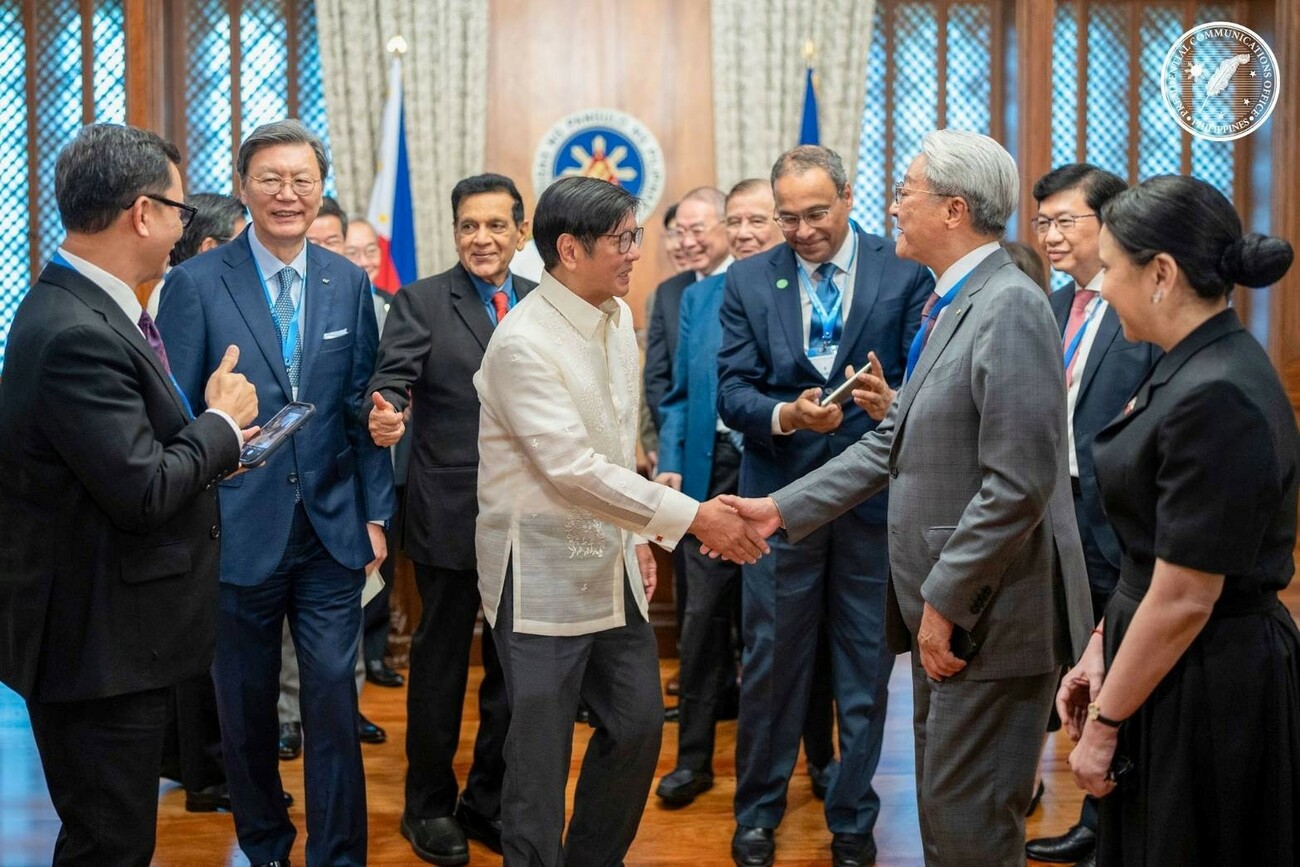
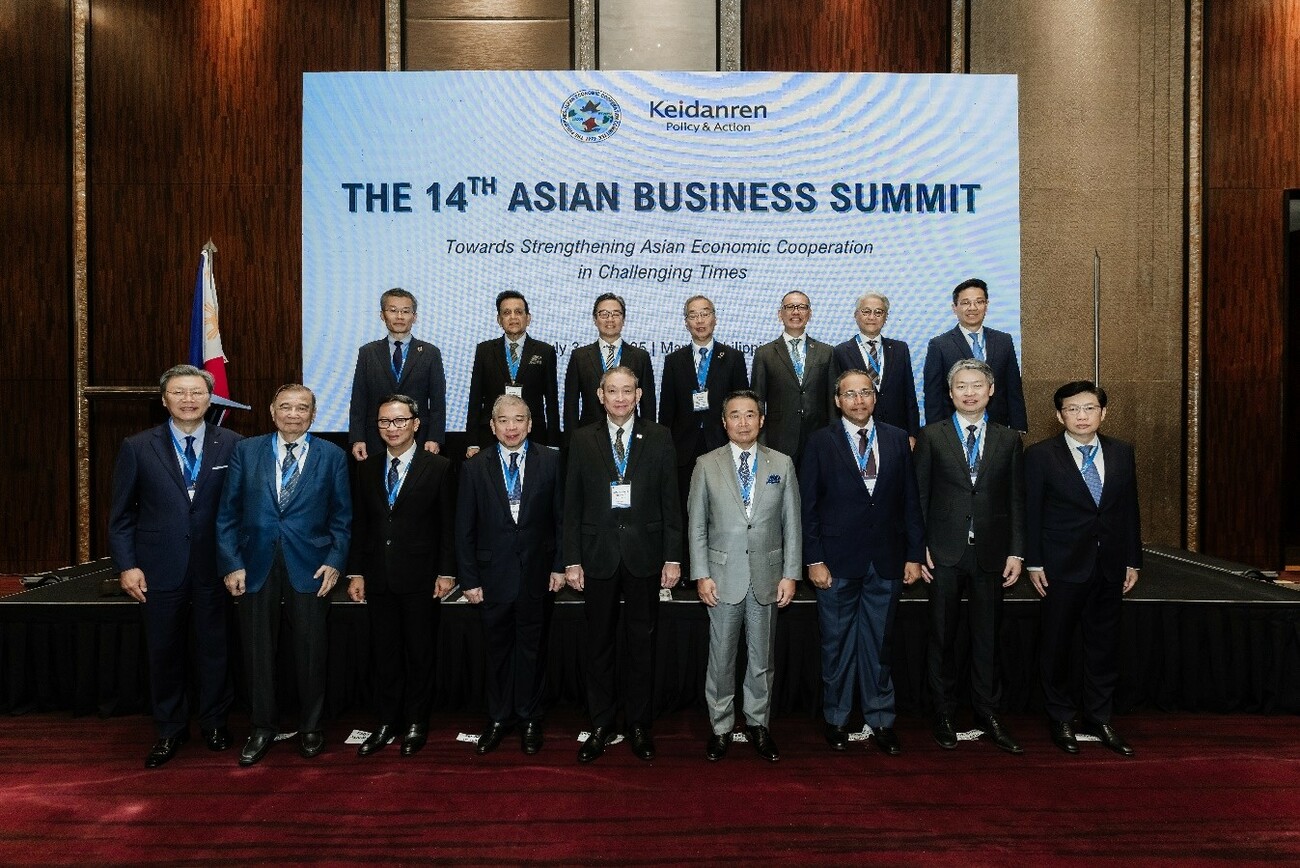
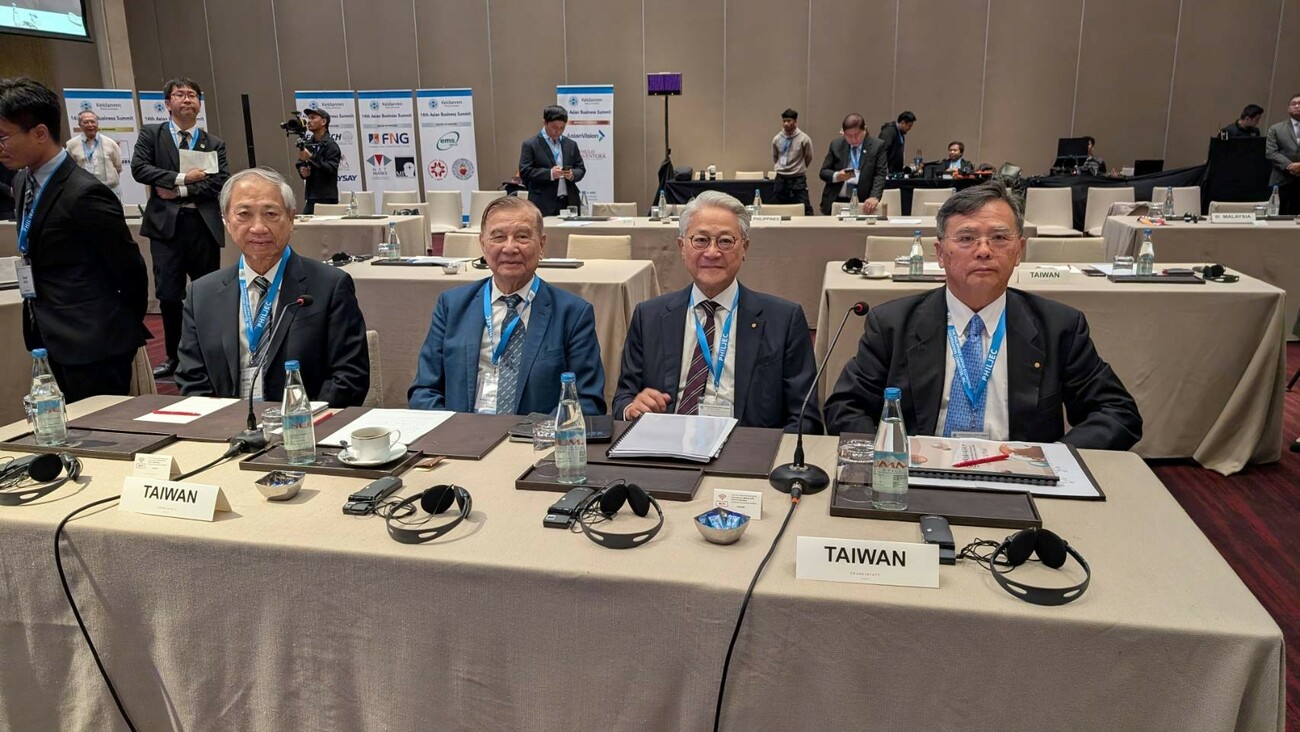
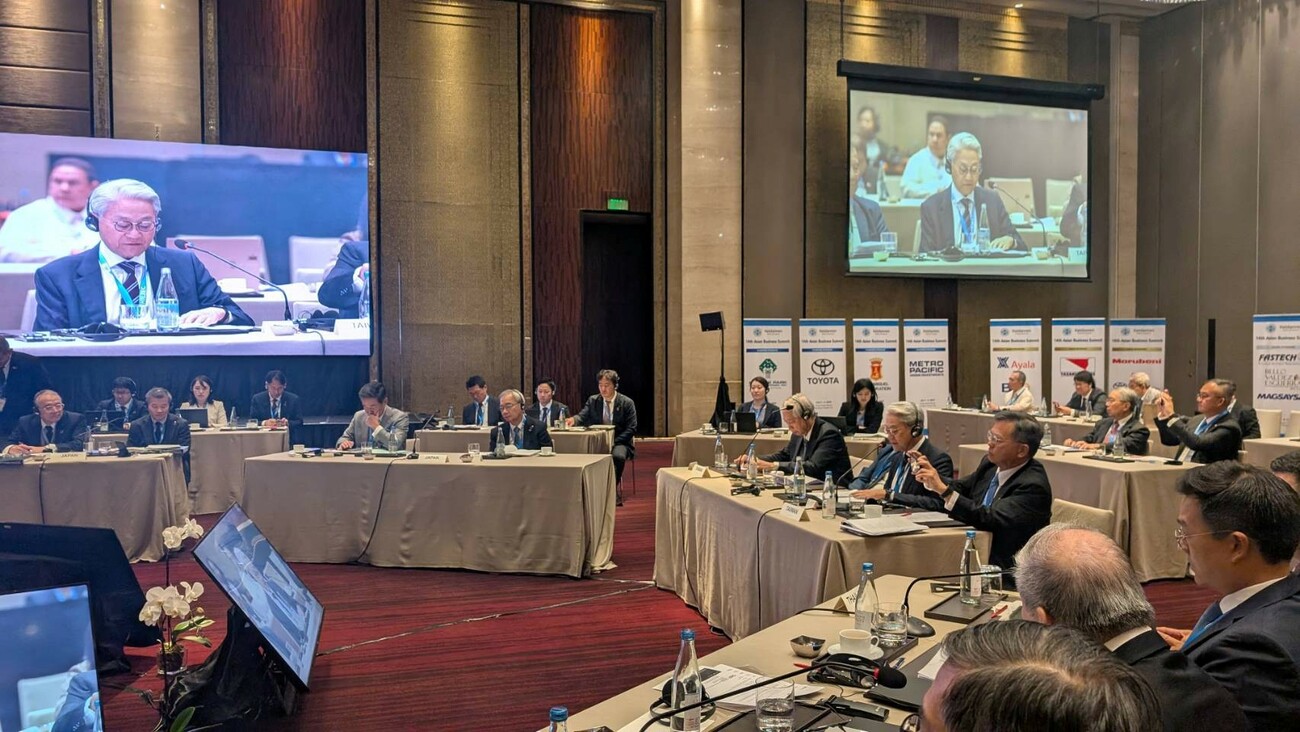
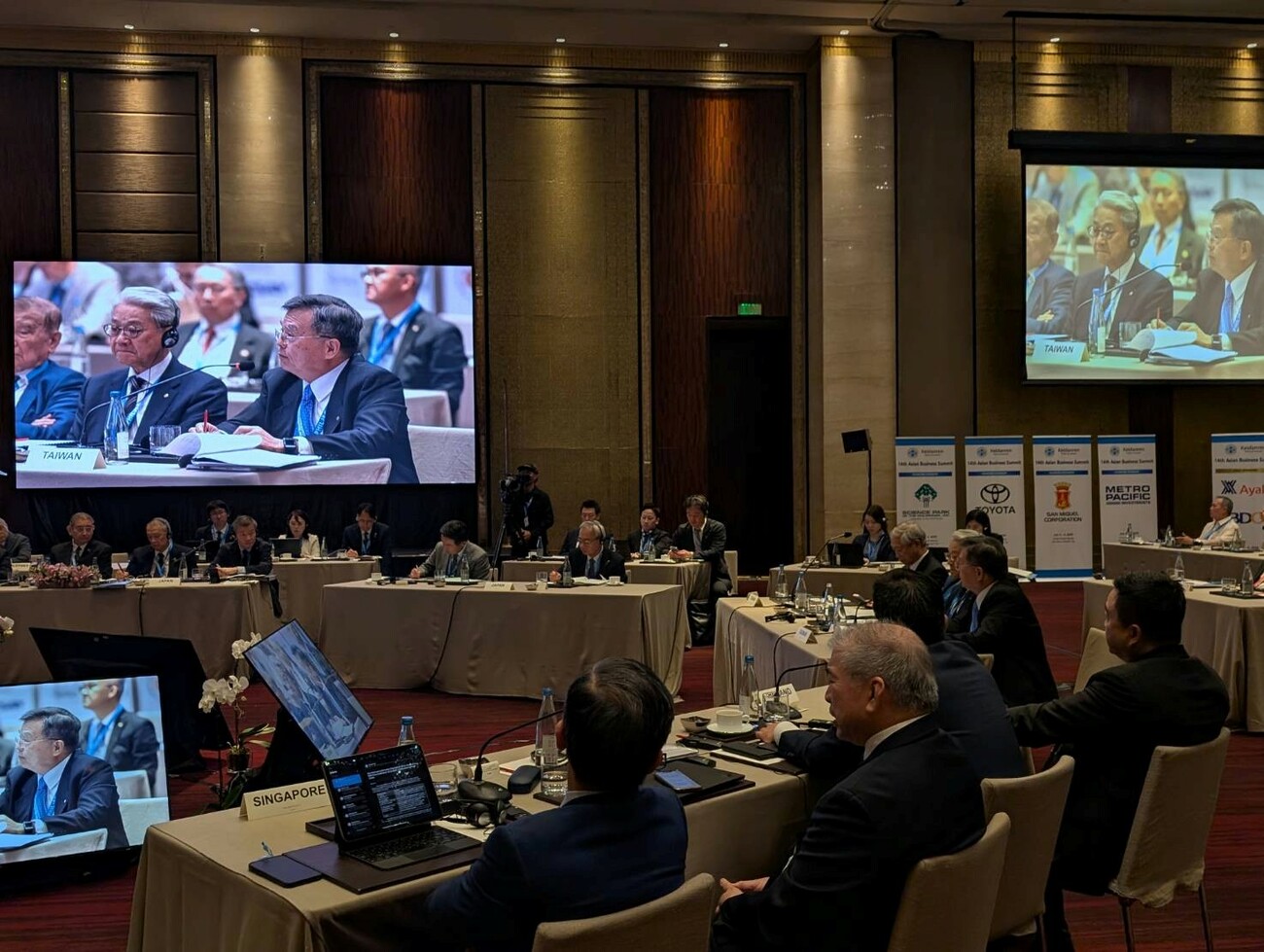
The 14th Asian Business Summit (ABS) took place in Manila, the Philippines from July 3 to July 4, 2025, bringing together business leaders from 11 Asian countries for in-depth discussions on how to achieve economic cooperation, green transformation, and innovative development amid global economic challenges. At the occasion, participants also recognized the importance of maintaining and strengthening a free and open international economic order.
As members of the ABS, CNAIC and Chinese East Asia Economic Association (CEAEA) jointly represented Taiwan at this year’s meeting with prominent delegates, including CNAIC Chairman Mr. Thomas T. L. Wu, CEAEA Honorary Chairman Mr. Theodore M. H. Huang, CEAEA Vice Chairman Mr. Walter H. C. Chang, and senior staff members of the two organizations.
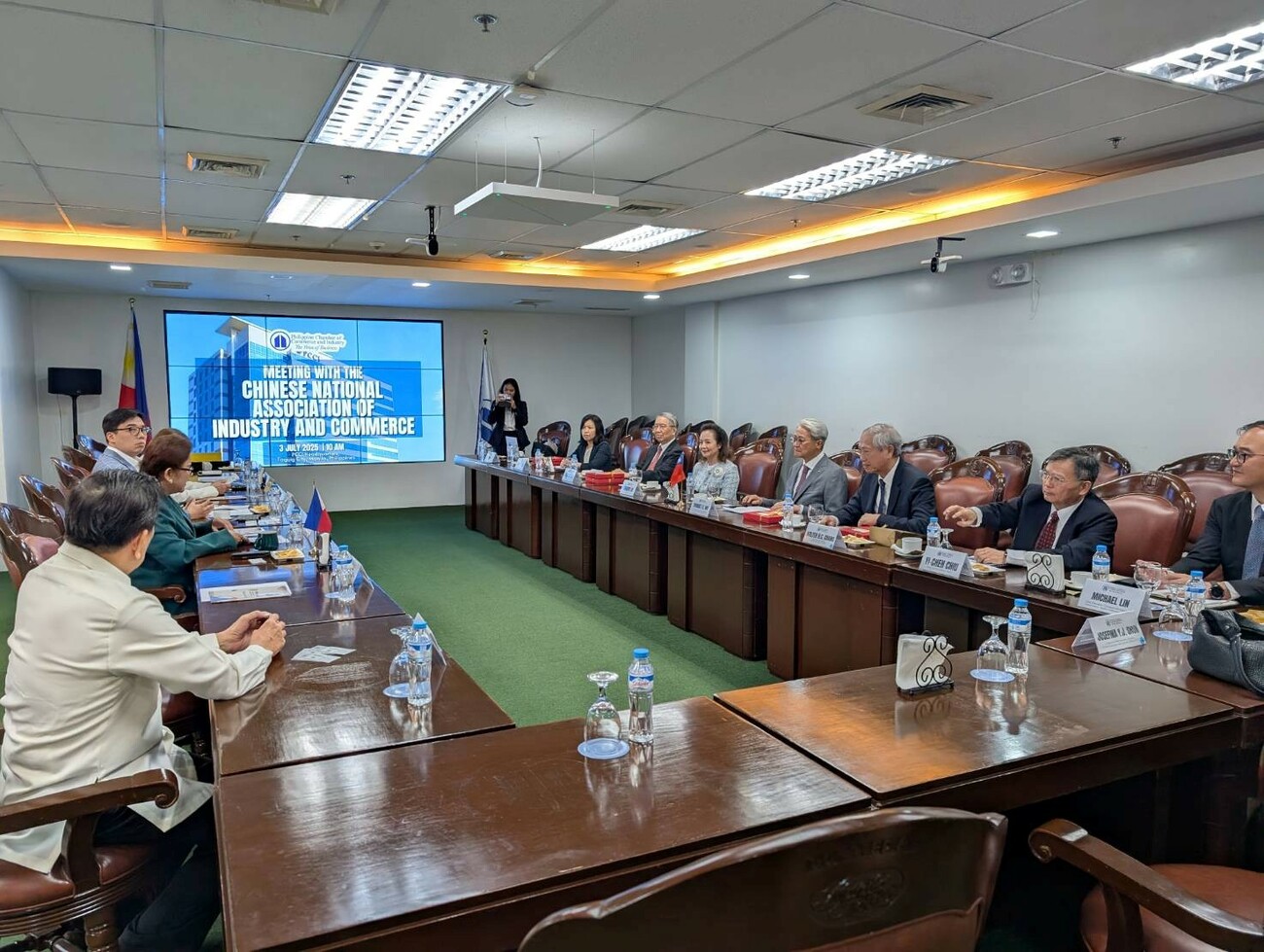
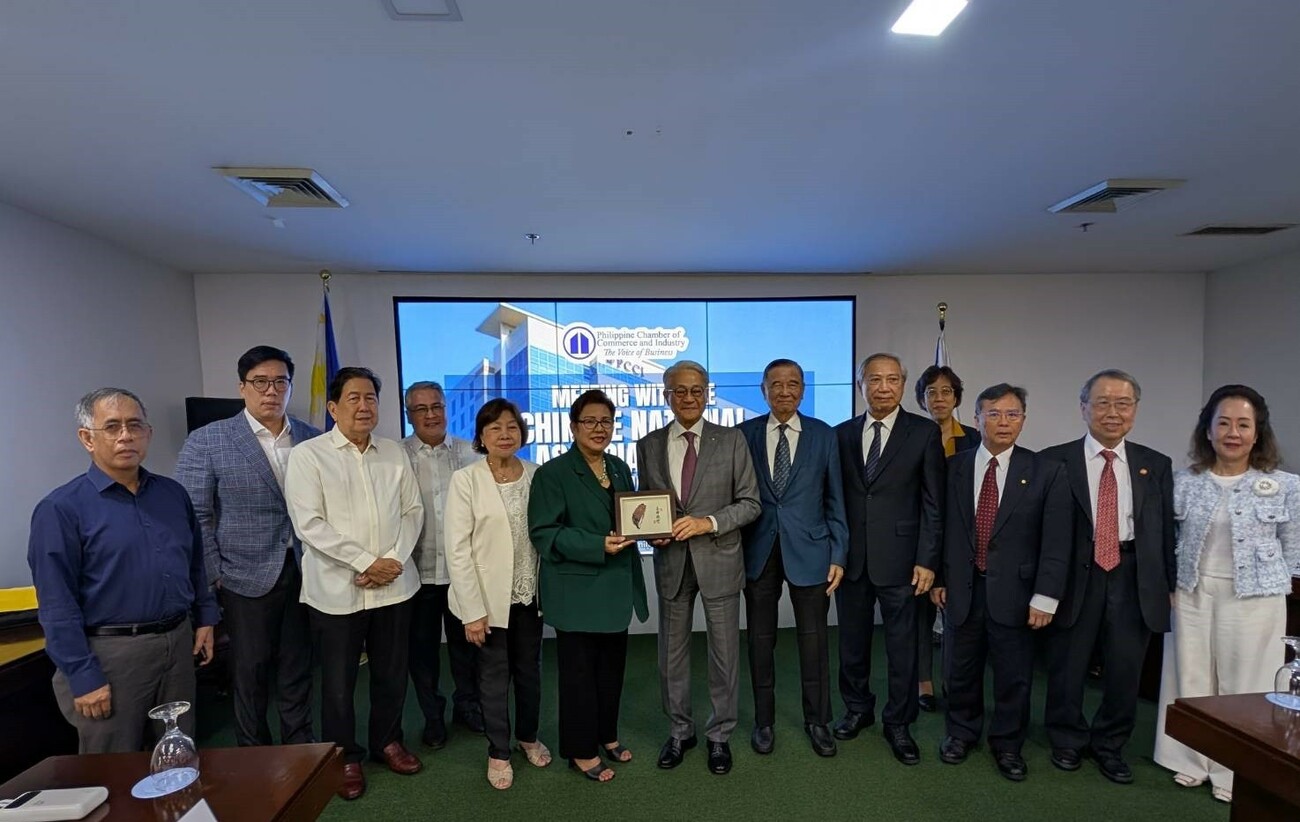
Prior to the Summit, CNAIC made an official visit to the Philippine Chamber of Commerce and Industry (PCCI), the largest and most influential business organization in the Philippines, on the morning of July 3. In his remarks, CNAIC Chairman Wu lauded the Philippines as an important trade and investment partner for Taiwan, with bilateral relations continuing to develop steadily. The close partnership is evident as many Taiwanese industries have expanded their operations to the Philippines, including Taishin International Bank owned by Chairman Wu which also plans to establish a representative office in the Philippines in the near future. He further pointed out that effective from July 2025, the treatment of 14-day visa-free entry to the Philippines for Taiwanese nationals is expected to significantly further deepen Taiwan–Philippines relations. Taking advantage of the occasion, Chairman Wu also expressed his hope that CNAIC and PCCI can sign an MoU as a way to advance cooperation between the two sides. For her part, PCCI President Ms. Enunina V. Mangio warmly welcomed the visit of the CNAIC delegation led by Chairman Wu, emphasizing the strong economic ties shared by the two neighboring countries. Among the abundant opportunities of bilateral cooperation, President Mangio specifically named renewable energy and human resources as areas of great potentials. In the following exchange session, the delegates of the two sides engaged in productive discussions on possible collaboration projects.
The 14th ABS officially kicked off on July 4 with a full-day program. In his address, Chairman Wu first highlighted Taiwan’s robust economic growth of 4.8% in 2024 and the positive forecast of 3.1% in 2025 fueled by the AI boom and the strong performance of the semiconductor industry, despite the various challenges facing the global economy. He underscored that as digital transformation and green transformation are the main driving forces for economic growth, they will create new opportunities for trade and investment across Asia. During the Summit, the CNAIC delegation also urged ABS members to support Taiwan’s application to join the Comprehensive and Progressive Agreement for Trans-Pacific Partnership (CPTPP). Since Taiwan plays an important role in global trade and investments, any regional economic organization without Taiwan would be incomplete.
The Summit concluded with the issuing of a joint statement which calls on Asian countries to stand against unilateralism and protectionism as the world is becoming increasingly divided and global tensions are rising. They are encouraged to achieve sustainable growth through the further expansion of trade and investment within the region, acceleration of investment and innovation in various fields including green initiatives, and promotion of the development and exchange of human resources. In particular, the statement outlines four major areas for joint cooperation: (1) Maintaining and strengthening the rules-based, free and open international economic order: it is important to expand and deepen plurilateral and bilateral economic partnership agreements (EPAs) and free trade agreements (FTAs) as well as to implement the reform for the World Trade Organization (WTO); (2) Promoting Green Transformation through Diverse Pathways: it is necessary to promote initiatives allowing for diverse pathways that take into account the circumstances of each country and region. These initiatives include increasing the efficiency of existing thermal power generation by co-combustion of ammonia and hydrogen, utilizing LNG and biofuels, and promoting carbon capture, utilization and storage (CCUS) technologies; (3) Creating Innovation by developing AI and Start-ups: under the principle of “human-centered AI,” striking a balance between realizing innovation and mitigating risk is the key. It is also necessary to promote DFFT (Data Free Flow with Trust) and to work on the creation of safe and secure cyberspace; and (4) Building Regional Strength through Human Resources Development: with a view to raising regional competitiveness, it is essential to develop human resources which can make our region self-reliant. It is necessary to create an environment throughout Asia where diverse human resources, including women and minorities, can further interact, compete, and co-create to be innovative.