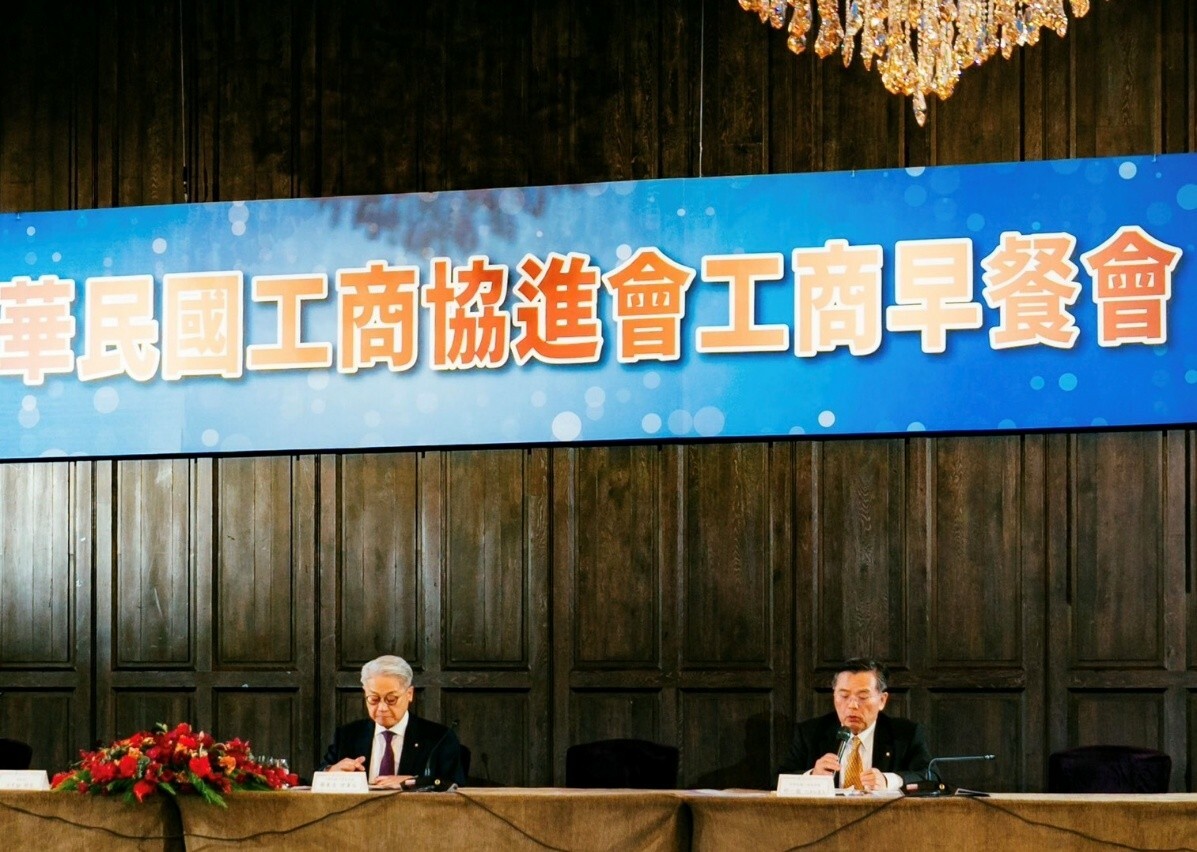
2025 Industrial and Commercial Breakfast Meeting
2025年11月26日
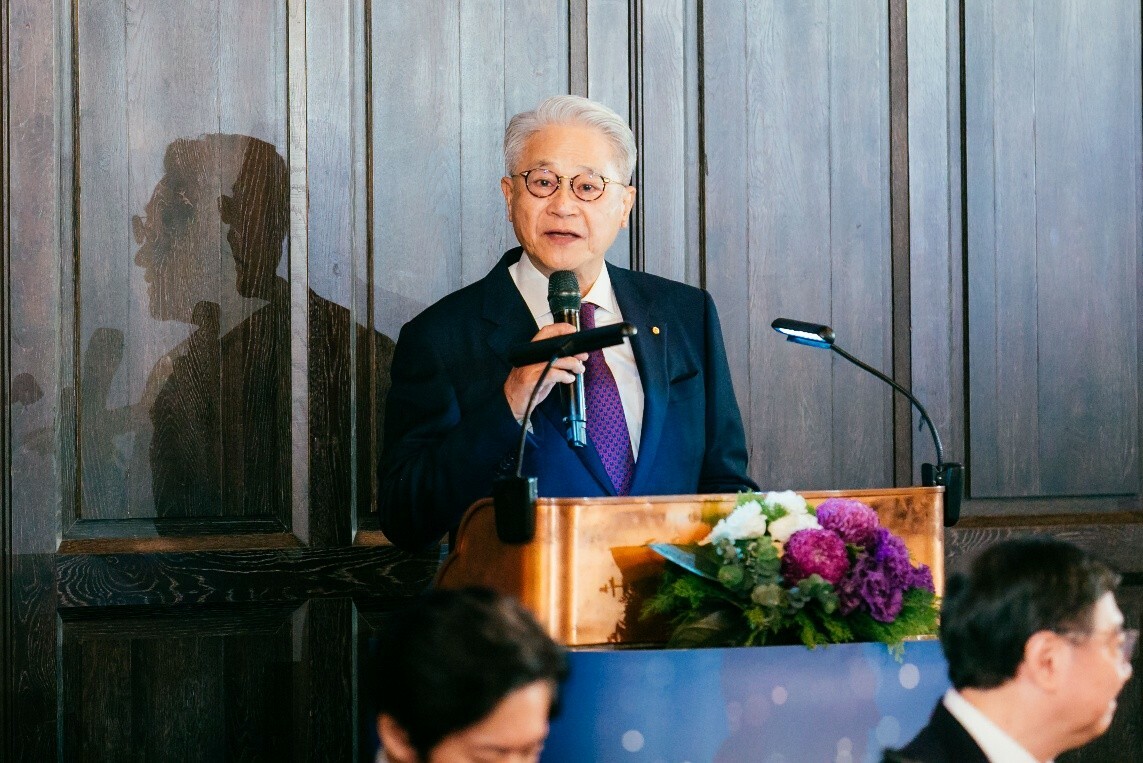
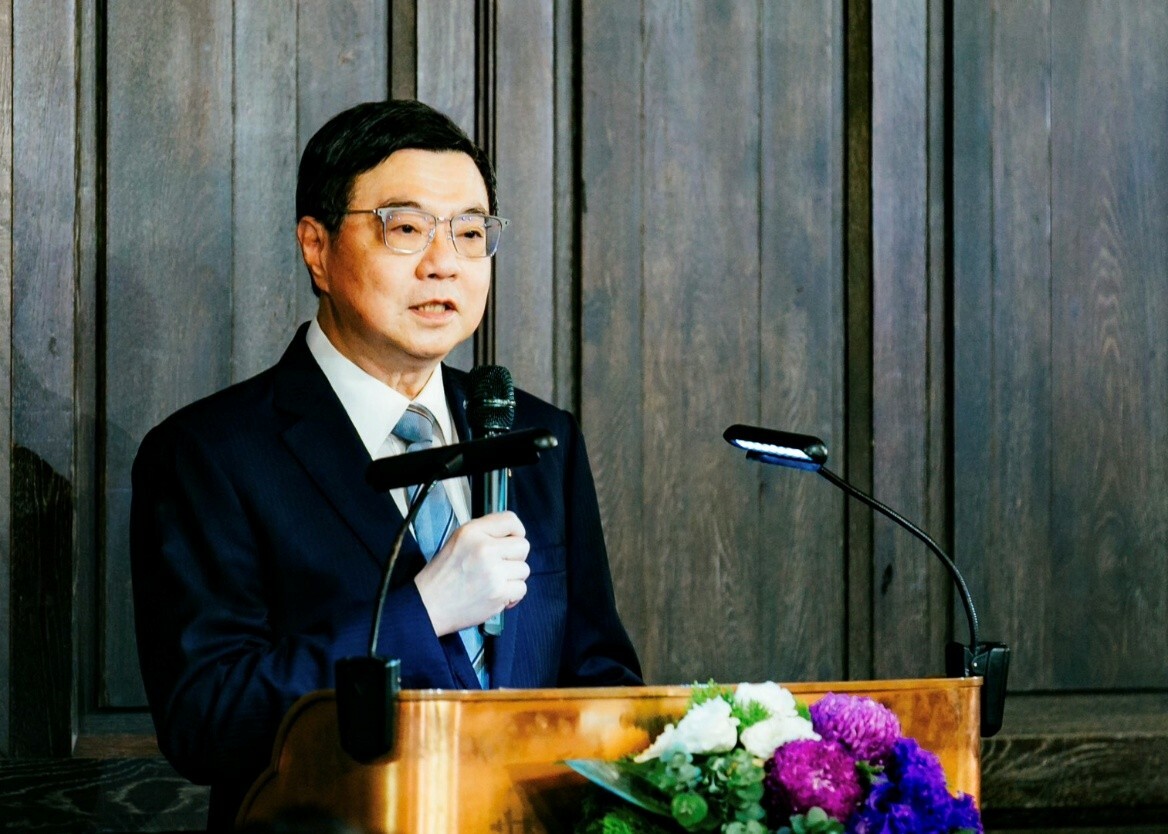
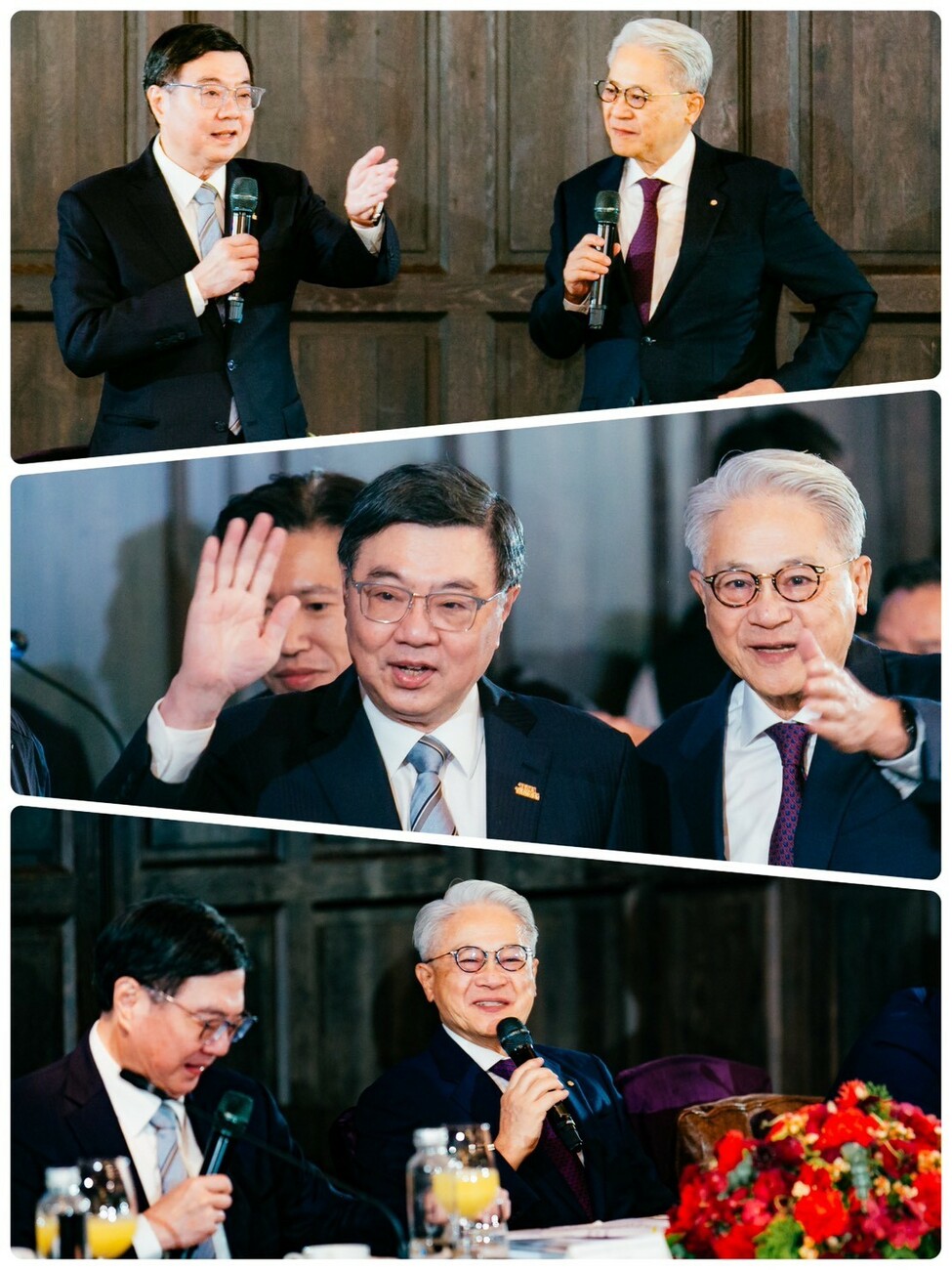
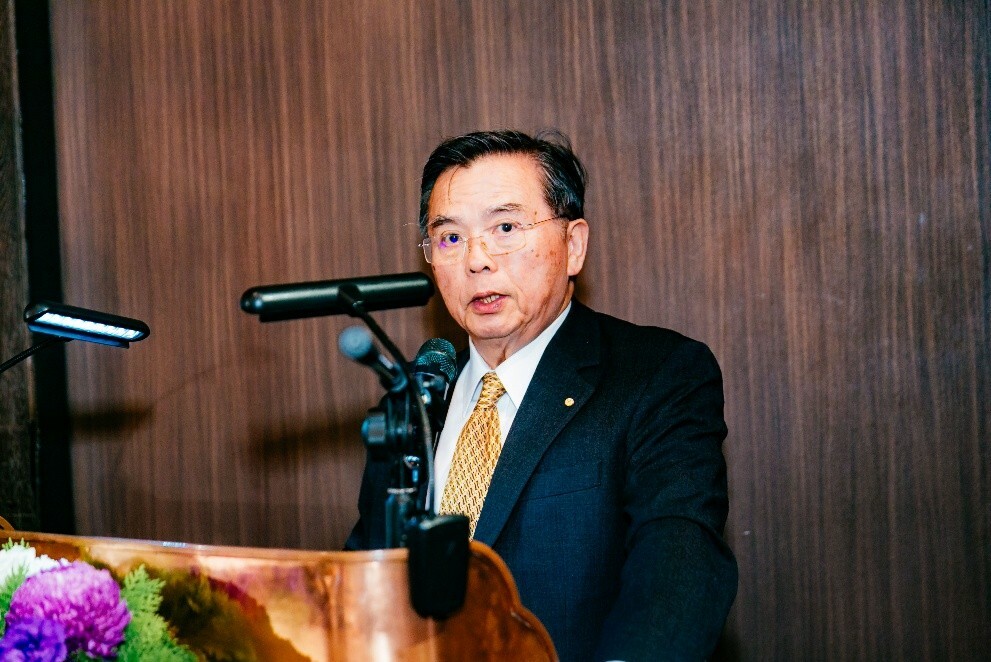
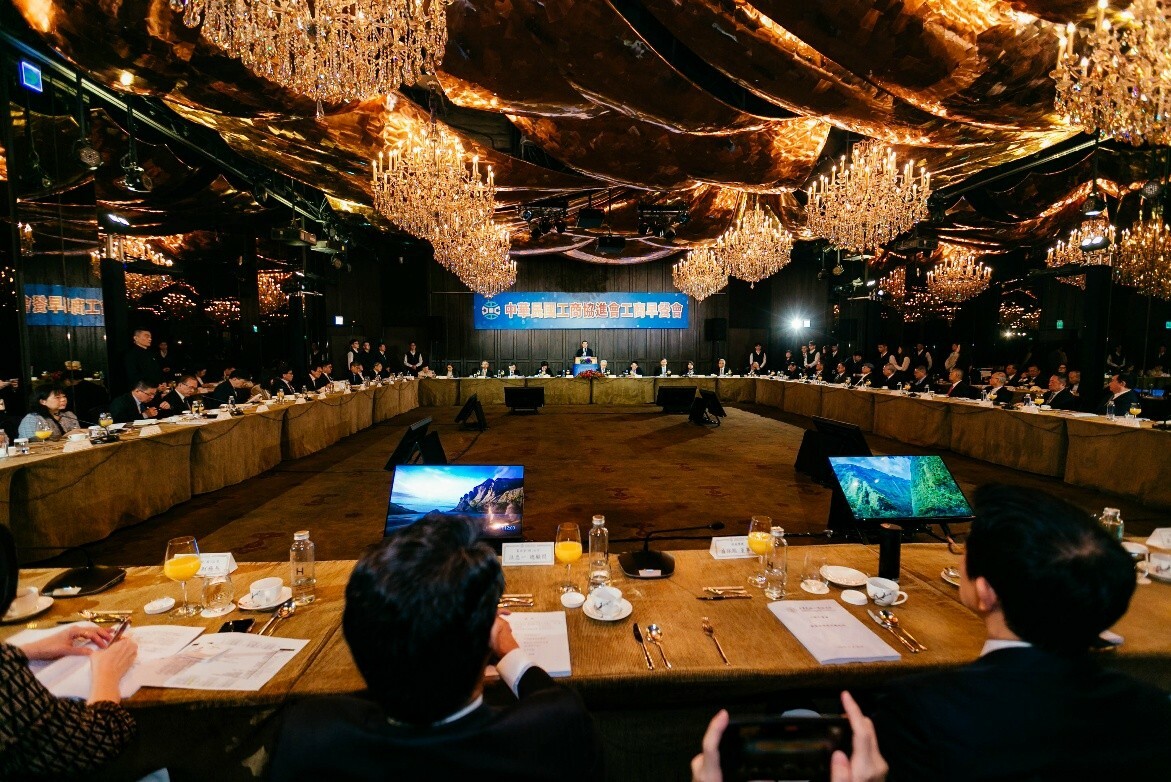
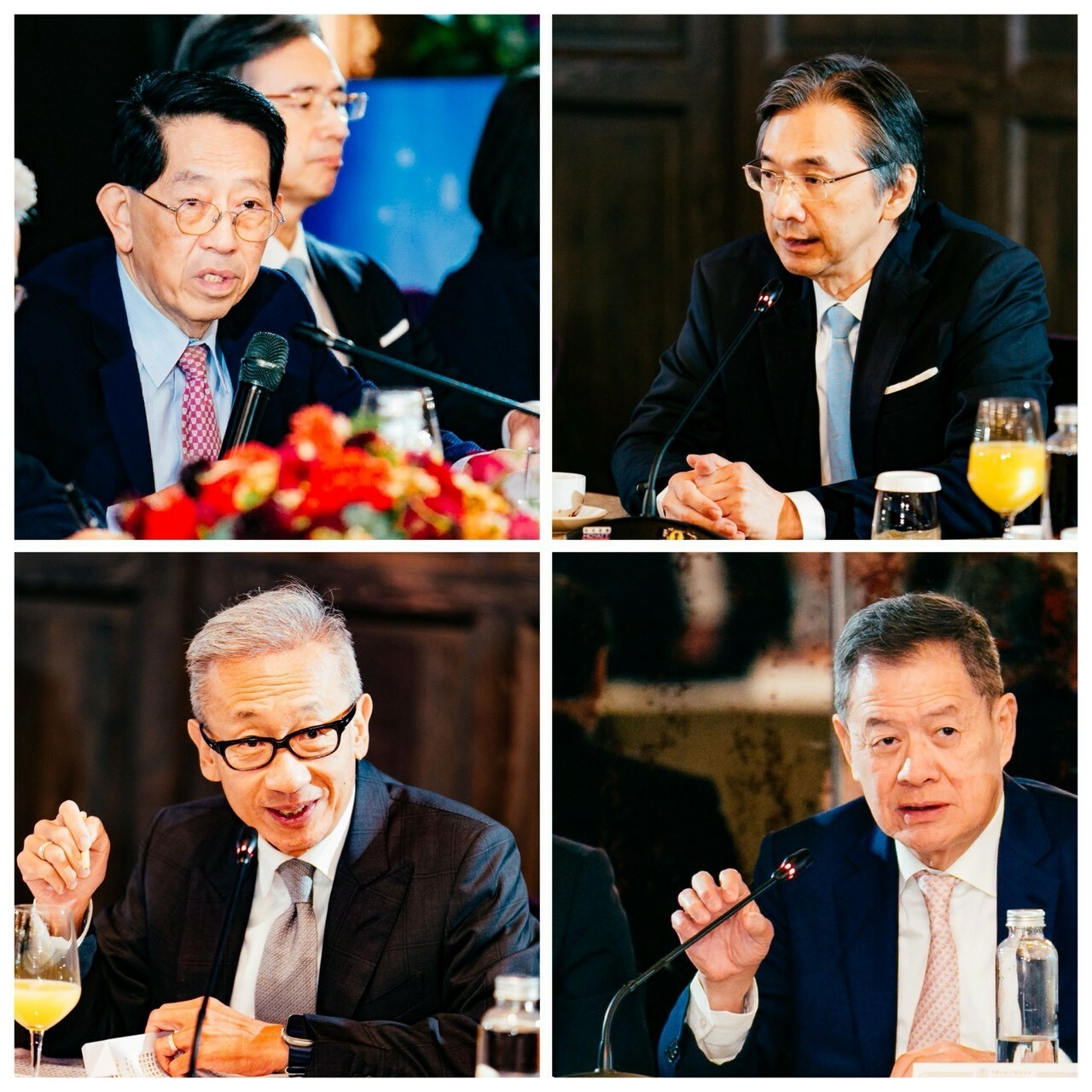
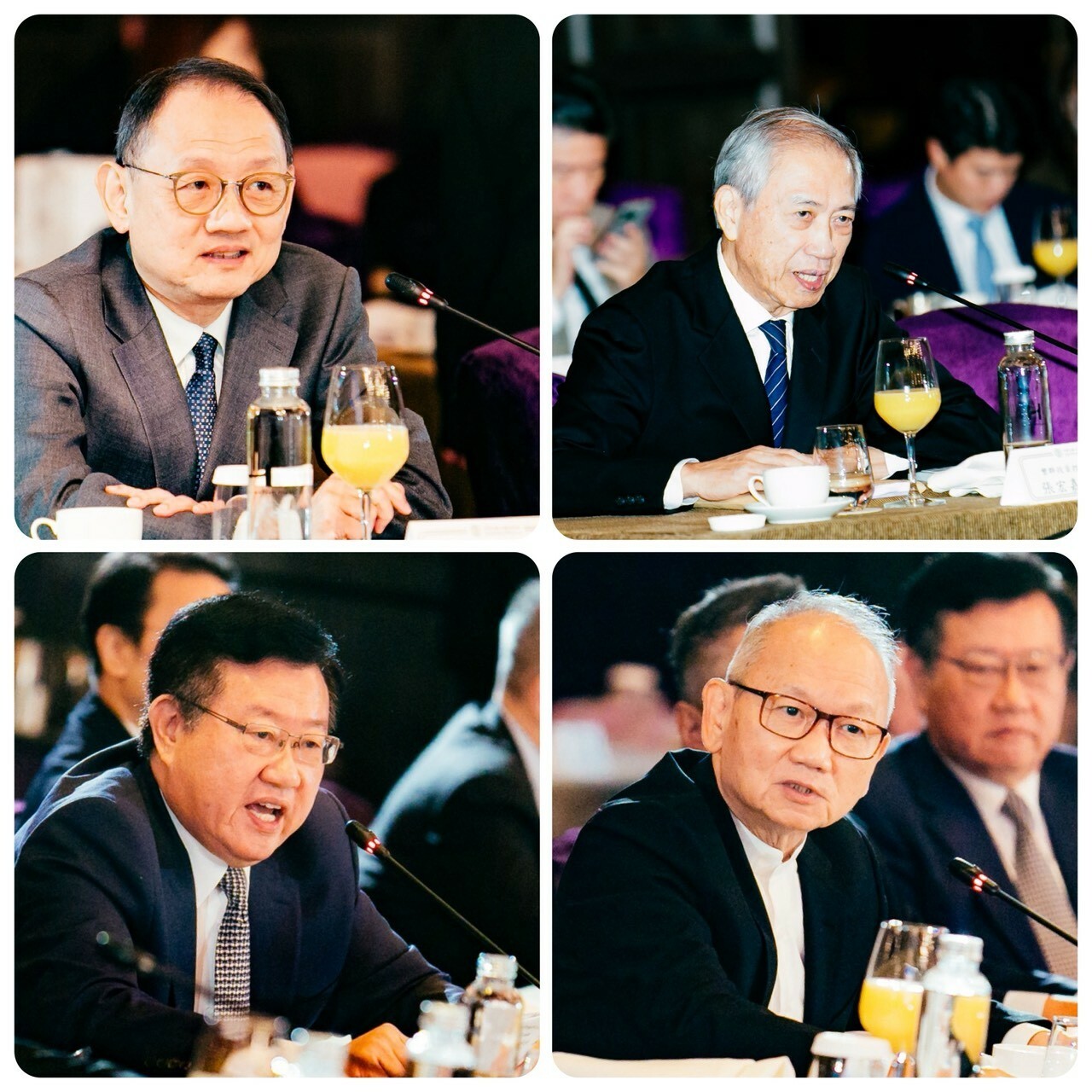
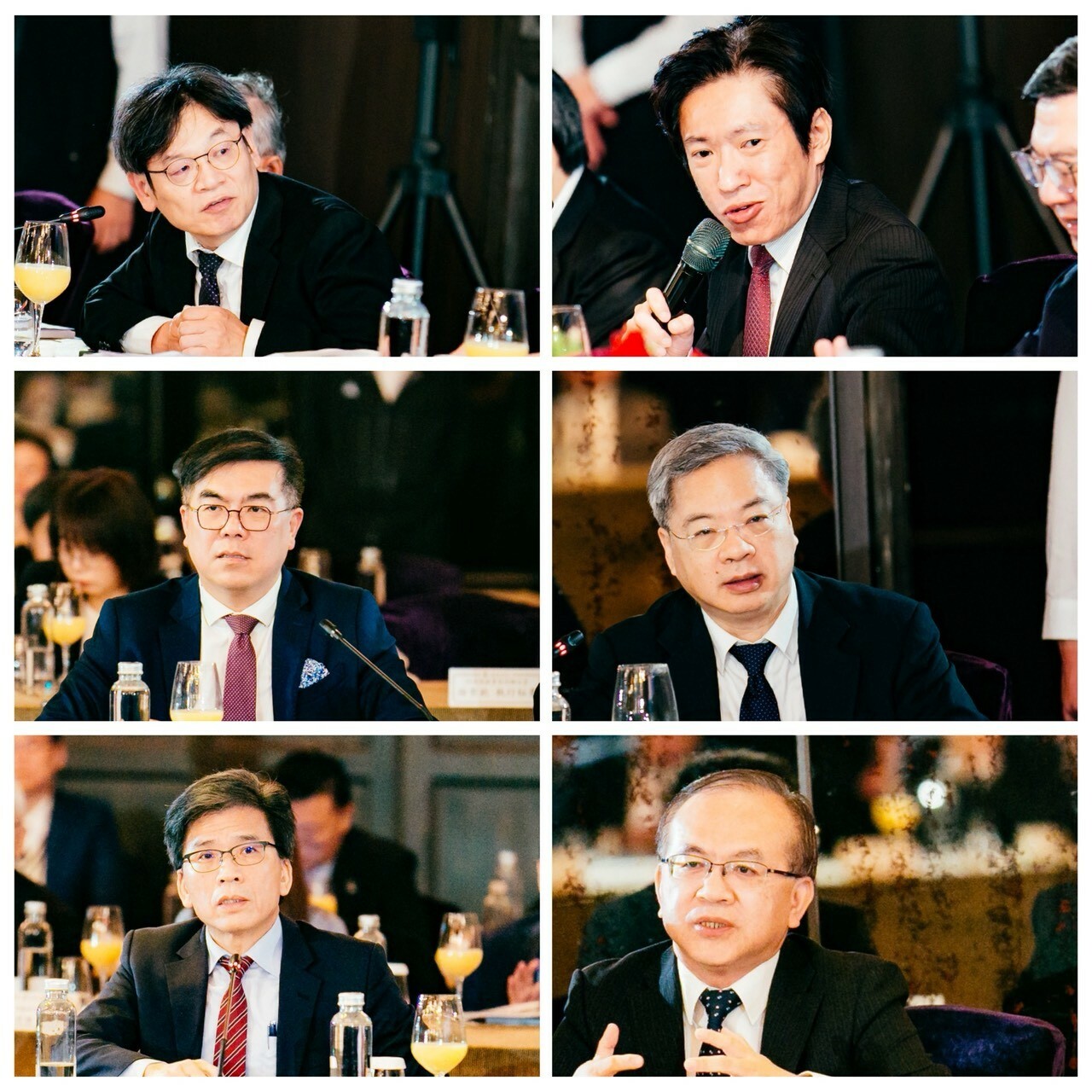
On November 26, CNAIC convened the 2025 "Industrial and Commercial Breakfast Meeting" to facilitate face-to-face communication between the public and private sectors on economic and industrial issues that are of intertest to the business community. Co-chaired by Premier Mr. Cho, Jung-tai and CNAIC Chairman Mr. Thomas T. L. Wu, the meeting was attended by over a hundred participants, including Ministers, chiefs of government agencies, CNAIC Board Directors and Supervisors, and industry leaders.
A total of 47 policy proposals and 100 specific recommendations were presented for discussion, and they covered eight major areas, namely: (1) revitalizing human resources; (2)building a sound business environment; (3) coping with economic and trade uncertainties; (4)enhancing industrial development; (5)advancing the sustainable process; (6)establishing the Asian Asset Management Center; (7)creating capital flows; and (8)optimizing the tax system. CNAIC is pleased to receive a written reply from relevant government agencies responding to all recommendations item by item, demonstrating the administration’s positive attitude in attending to requests from the industries. The participants of the breakfast meeting took advantage of the occasion to conduct an in-depth and productive exchange of views which attracted extensive media coverage.
In his address, CNAIC Chairman Wu expressed his gratitude to the government officials for once again engaging in face-to-face communication with the business sector. Since 1988, CNAIC’s Industrial and Commercial Breakfast Meeting has become the most representative platform for policy dialogues between the government and the industry. As this year has been full of challenges like the US tariff policies and other uncertainties, he noted the inevitable pressure facing Taiwan’s enterprises. However, through joint efforts of the public and private sectors, Taiwan is expected to lead the Four Asian Tigers in economic growth this year, supported by the resilience and vitality it has shown. Chairman Wu also hoped that the negotiation on tariffs between Taiwan and the US will make progress shortly so as to provide a more stable business environment for corporates. While Taiwan is highly competitive in AI and the technology industry, he emphasized that economic developments cannot rely on a single sector. In order to strengthen economic resilience and global competitiveness, it is necessary for industries to accelerate their operational efficiency and administrative effectiveness.
Premier Cho, for his part, recognized the business community's contribution to national economic developments and analyzed key trends of Taiwan’s economy. According to Premier Cho, the government's "Two Ups, One Down, One Steady" strategy has achieved concrete results that contribute to the continued economic growth, increased GDP per capita, low unemployment rate, and price stabilization. It is worth mentioning that as a collaborative success of the industry and the government, Taiwan has secured a leading position in various world competitiveness rankings with its exports expected to hit a record high in 2025. Regarding the progress of tariffs negotiation, he shared that Taiwan has proposed to the US the "Taiwan Model" that is to establish a long-term and stable cooperation framework with private investments and due public support. Premier Cho also elaborated on the “Ten New Momentum Projects” and the “Ten New AI Infrastructure Initiatives” that are supported by the budget of the central government in 2026. Aiming to lay a solid foundation for the future, the two plans will further promote Taiwan’s industry upgrade, talent cultivation, digital infrastructure, and balanced regional developments. The Premier called for support from the society of the passing of the government budget for 2026 to avoid hindering major construction projects and industry policies.
As the key business organization in Taiwan, CNAIC will continue to act as a bridge between enterprises and the government, and help with the opinion-exchanging and policy dialogues between the two sides. We remain committed to working together with the public and private sectors to boost the competitive edge of the business and to ensure stable economic developments. Through public-private cooperation, we look forward to creating a more resilient and sustainable economic environment for Taiwan.
Please click here for details of the policy proposals and government’s responses.