2025 International Forum: Nobel Laureate in Economics Dr. Myron Scholes' Visionary Perspectives on Uncertainty, Sustainable Development and Artificial Intelligence
2025年03月12日
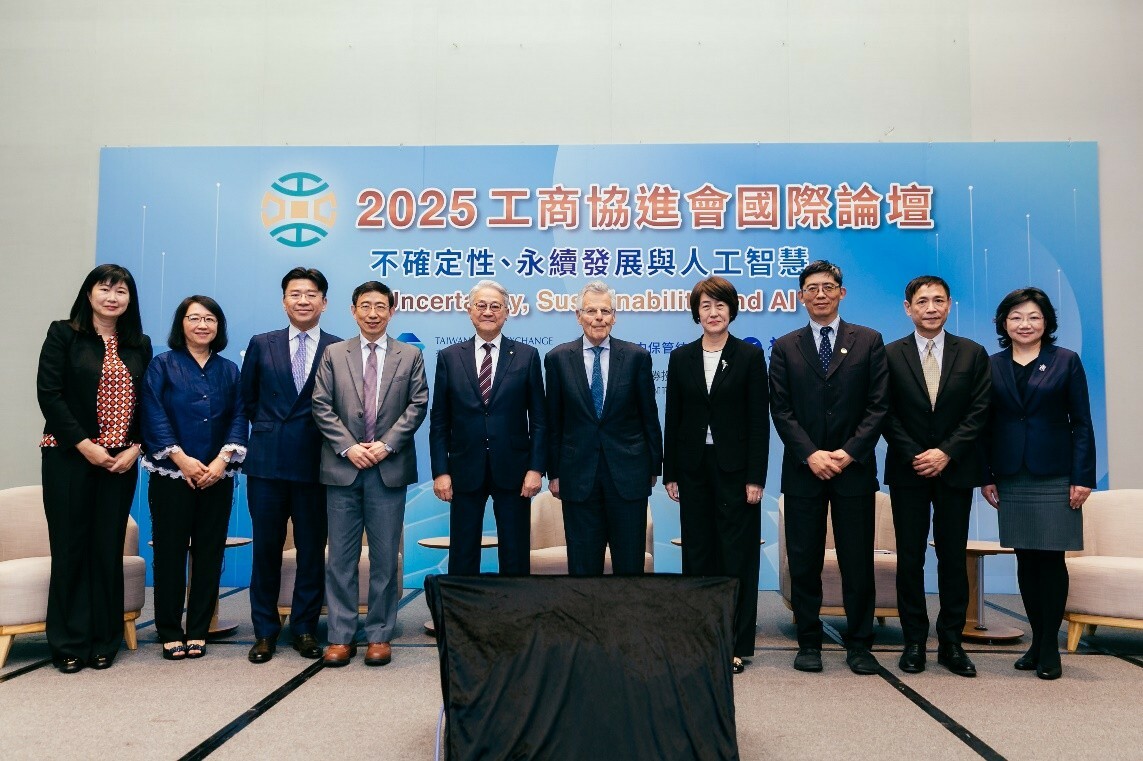
On March 12, 2025, CNAIC held the “2025 International Forum: Nobel Laureate in Economics Dr. Myron Scholes' Visionary Perspectives on Uncertainty, Sustainable Development and Artificial Intelligence” with the support of seven co-organizers, namely Taiwan Stock Exchange, Taiwan Depository & Clearing Corporation, Taiwan Futures Exchange, Taipei Exchange, The Securities Investment Trust & Consulting Association of the R.O.C. (SITCA), Taishin Financial Holding Co., Ltd., and Cathay Financial Holding Co., Ltd.
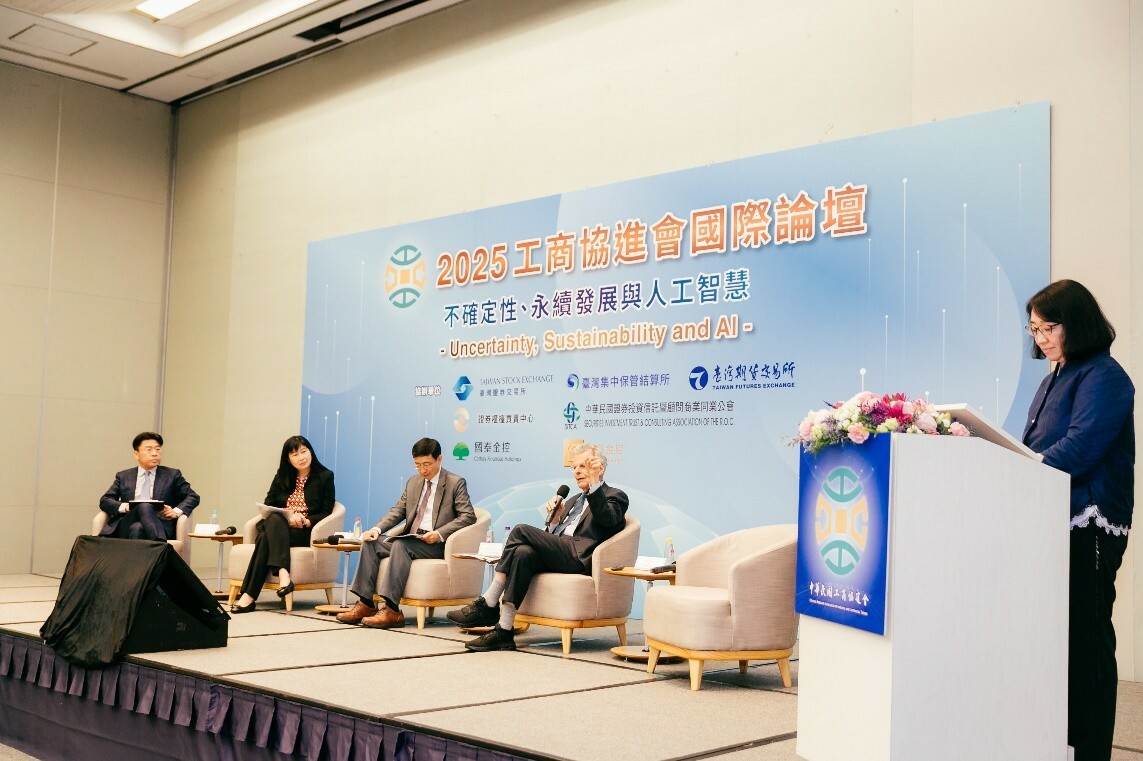
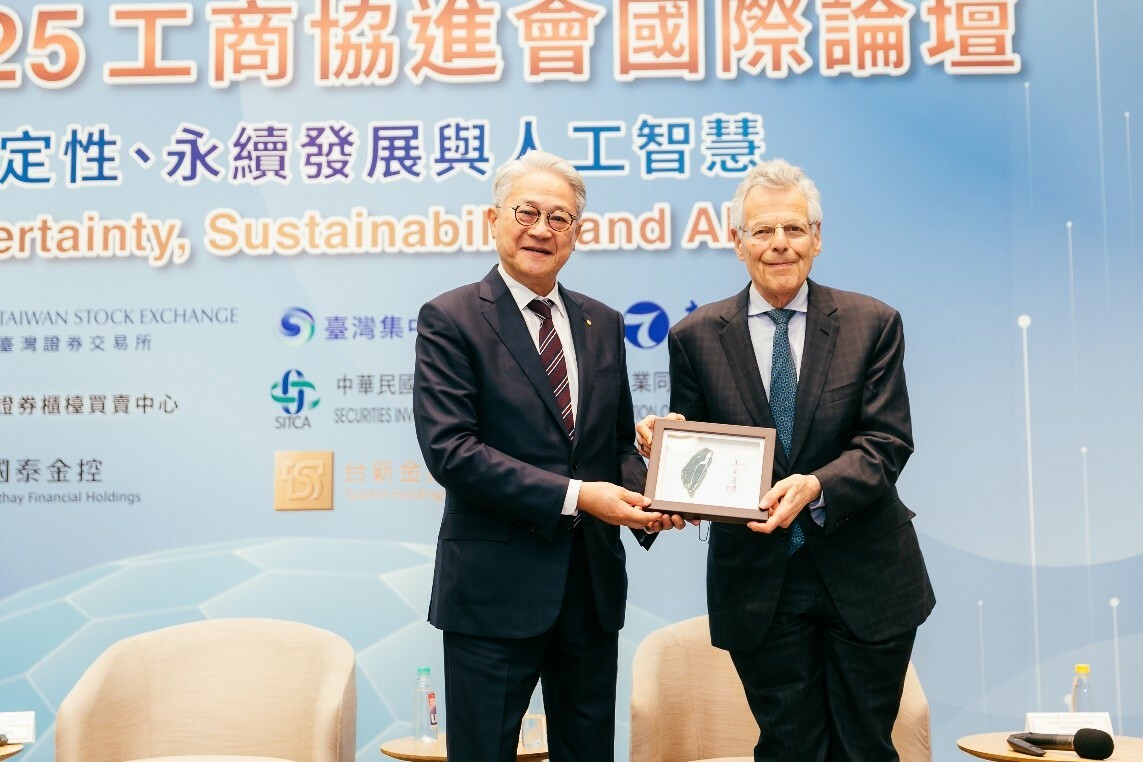
The forum was honored by a keynote speech from Dr. Myron Scholes, recipient of the 1997 Nobel Prize in Economic Sciences, who began his presentation by elaborating that innovation is applied to provide more individualized and flexible solutions in a faster pace. The development of artificial intelligence (AI), for example, enables the rapid collection and analysis of massive amount of data to support decision-making. However, in the face of evolving risks and uncertainties, AI is not the solution for every problem. AI may help improve the efficiency in management, but it still replies on human beings to assess abnormal or exceptional situations before the final decisions can be made.
According to Dr. Scholes, as much as uncertainty may pose challenges, it should be viewed as a catalyst for innovation and economic development, accelerating the development of new technologies such as AI. In a world of rapid changes, AI has been widely applied across different fields and has become a crucial tool in helping humans manage uncertainty, thereby effectively reducing administrative costs and trust barriers in organizational governance.
Regarding the challenges and potentials of AI, Dr. Scholes believed that although AI systems can improve the efficiency of data processing through big-data-driven models, it is necessary to base on human guidance to address boundary cases and exceptions. While there are limits for data collection and processing, humans must establish appropriate technologies and regulations to define the scope of AI computing in order to make reasonable decisions. Dr. Scholes also shared his foresights that the application of AI is expected to be further developed in the areas of precision medicine and smart agriculture.
When it comes to sustainability, Dr. Scholes highlighted the importance of tail risks. He observed that traditional risk management tends to focus on the averages or normal distributions of risks, whereas the real concern lies in low-probability but high-impact extreme events - such as extreme weather conditions caused by climate change that may result in sudden or irreversible damages to the environment. Dr. Scholes added that innovative technologies like Digital Twins and AI-based simulations are able to remarkably reduce the cost of physical constraints and empower flexible management. He also expressed optimism about the potential of carbon trading markets, believing that carbon credit trading can help facilitate corporates’ green transition and support the development of relevant infrastructure around the world.
The following panel discussion session was moderated by Ms. Yunny Lee, Senior Advisor at Standard Chartered Bank, and joined by eminent panelists, including Dr. Chialin Chen, Associate Dean of the College of Management and CEO of the EMBA Program at National Taiwan University; Ms. Susan Lin, Partner of IPR Advisors; and Dr. Masson Li, Chief Economist of Taishin Holdings. Together with Dr. Scholes, they exchanged views on the future of AI applications, the importance of sustainable development, and the outlook for 2025 economy.
The event was attended by some 200 delegates from the public and private sectors as well as the academia. By analyzing the co-relation of risk management and the capital market, the well-received forum provided valuable insights into the latest advancement of AI technology and the trends of sustainability.